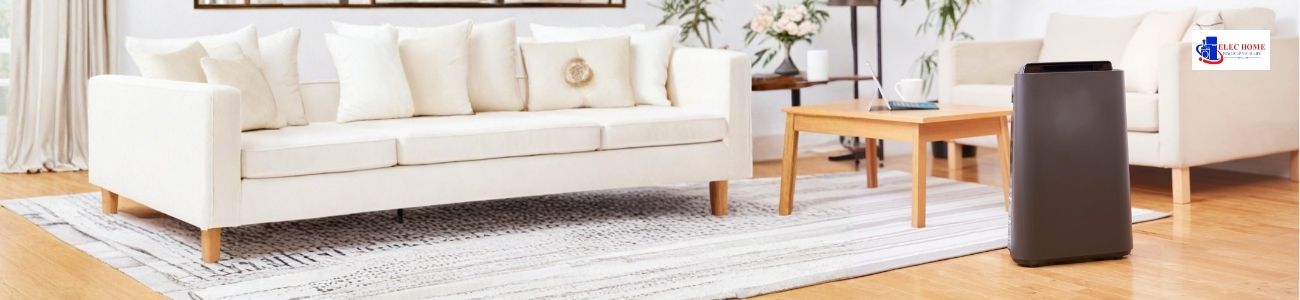
With rising pollution levels, allergens, and seasonal smog, having an air purifier at home has gone from luxury to necessity—especially if you live in a city. But with so many types and features, how do you know which air purifier is best for your space?
Don’t worry—this guide will help you make the right choice.
1. Know Why You Need One
First, identify your primary concern:
- Dust and PM2.5: Common in urban areas
- Allergies: Pet dander, pollen, or mold spores
- Smoke/Odors: From cooking or nearby traffic
- Germs/Viruses: If you have kids, elderly, or someone with low immunity
Your needs will decide what features or filters you should prioritize.
2. Check the Filter Type
Not all purifiers are created equal. Look for these essential filters:
- HEPA Filter (High Efficiency Particulate Air) – Captures 99.97% of dust, pollen, pet dander & bacteria. A must-have for allergy sufferers.
- Activated Carbon Filter – Absorbs odors, gases, and smoke—ideal for kitchens or polluted areas.
- UV or Ionizer (optional) – Helps kill germs, but not essential for everyone. Always check if it emits ozone (which is harmful in large amounts).
3. Match the Room Size
Each purifier is designed for a specific coverage area. Measure your room (in sq. ft.) and pick accordingly. For example:
- Small Rooms (up to 200 sq. ft.): Compact purifiers are sufficient.
- Medium Rooms (200–500 sq. ft.): Go for standard models with HEPA + Carbon filters.
Large Rooms/Halls (500+ sq. ft.): Choose high CADR models with multi-stage filtration.
4. Check CADR Ratings
CADR stands for Clean Air Delivery Rate—the higher, the better. It measures how quickly a purifier can clean the air of dust, pollen, and smoke. Always match CADR to your room size for best performance.
5. Energy Efficiency & Noise
Look for models with low power consumption, especially if you’ll run it 24/7. Also, check the noise level in decibels (dB)—under 30 dB is considered whisper-quiet and ideal for bedrooms.
6. Smart Features for Convenience
Modern purifiers come with:
- Air quality indicators
- Auto mode
- Filter change alerts
- App control / Wi-Fi support
If you love convenience, go for a smart purifier that adapts to air quality in real time.
7. Maintenance & Filter Replacement
Air purifiers need regular filter changes to stay effective. Before buying, check:
- Filter life (usually 6–12 months)
- Availability and cost of replacement filters
Brands with easy-to-find filters and good after-sales support are always a better choice.
Choosing the right air purifier depends on your needs, room size, and budget. But with the right one, you’ll notice a real difference in the air you breathe.
Need help choosing one? Our in-store experts are happy to assist you!